Profile SEO: Getting Discovered Through Search
How a public profile gets indexed and surfaced, and what to fill in so search can actually find you.
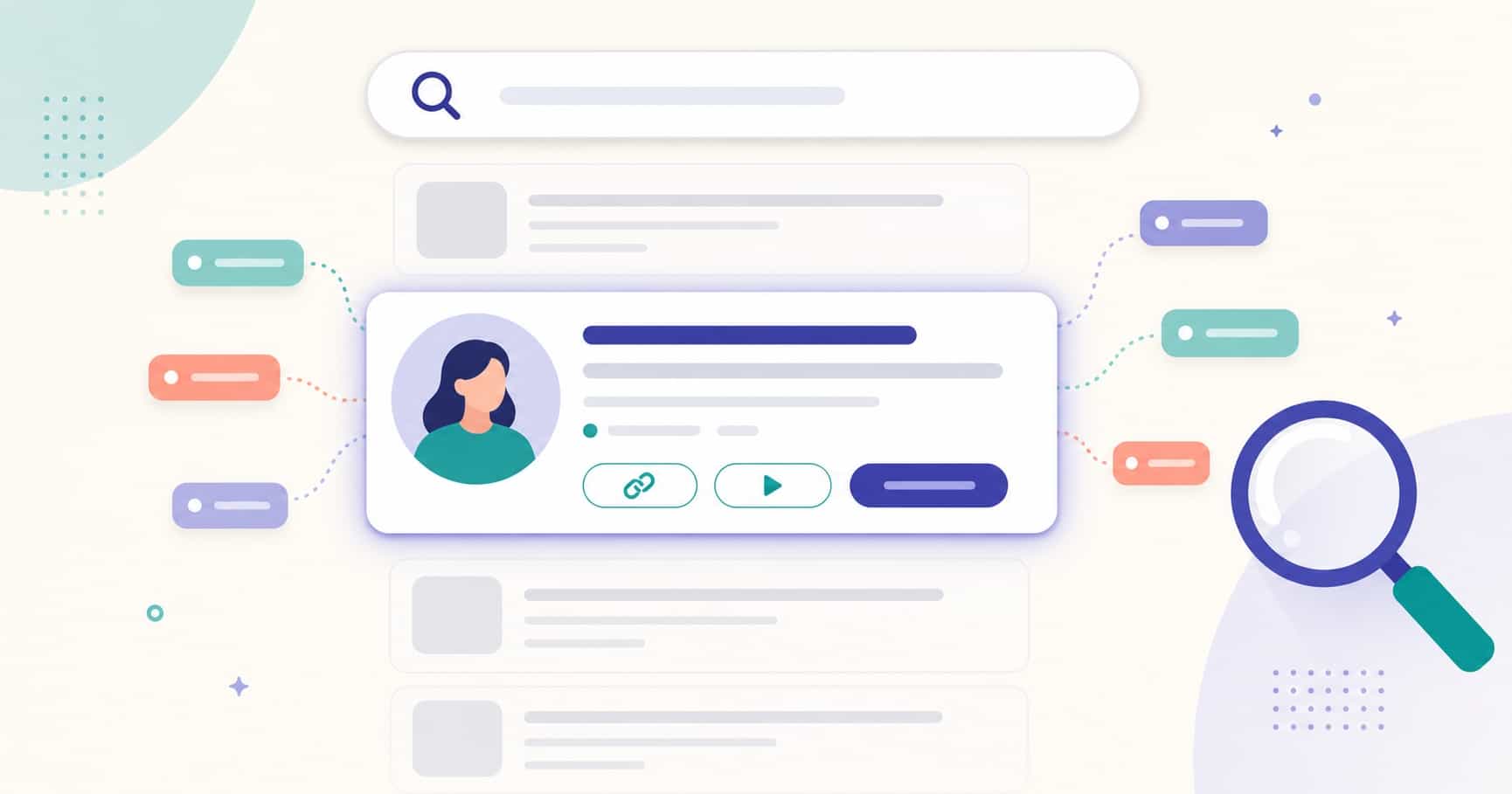
A profile only earns you new audience if people can find it. Most creators set up a profile, leave half the fields blank, and never realize they made themselves invisible to search. Fixing that is one of the highest-leverage things you can do, and it costs nothing.
This zooms in on profile SEO. For the full optimization workflow, see the creator profile optimization playbook. For what you choose to expose and what to hold back, the safety, privacy, and trust guide covers the deliberate side of being public.
How search finds a public profile
Search engines and platform discovery systems both work by indexing public, complete profiles and matching them to what people are looking for. The signals they use are blunt: the name on your profile, the words in your bio, the links you publish, and whether your profile is set to public.
There's no secret to ranking. You make yourself easy to find by being clear about who you are and what you do, in language a real person would type into a search.
Keywords in your name and bio
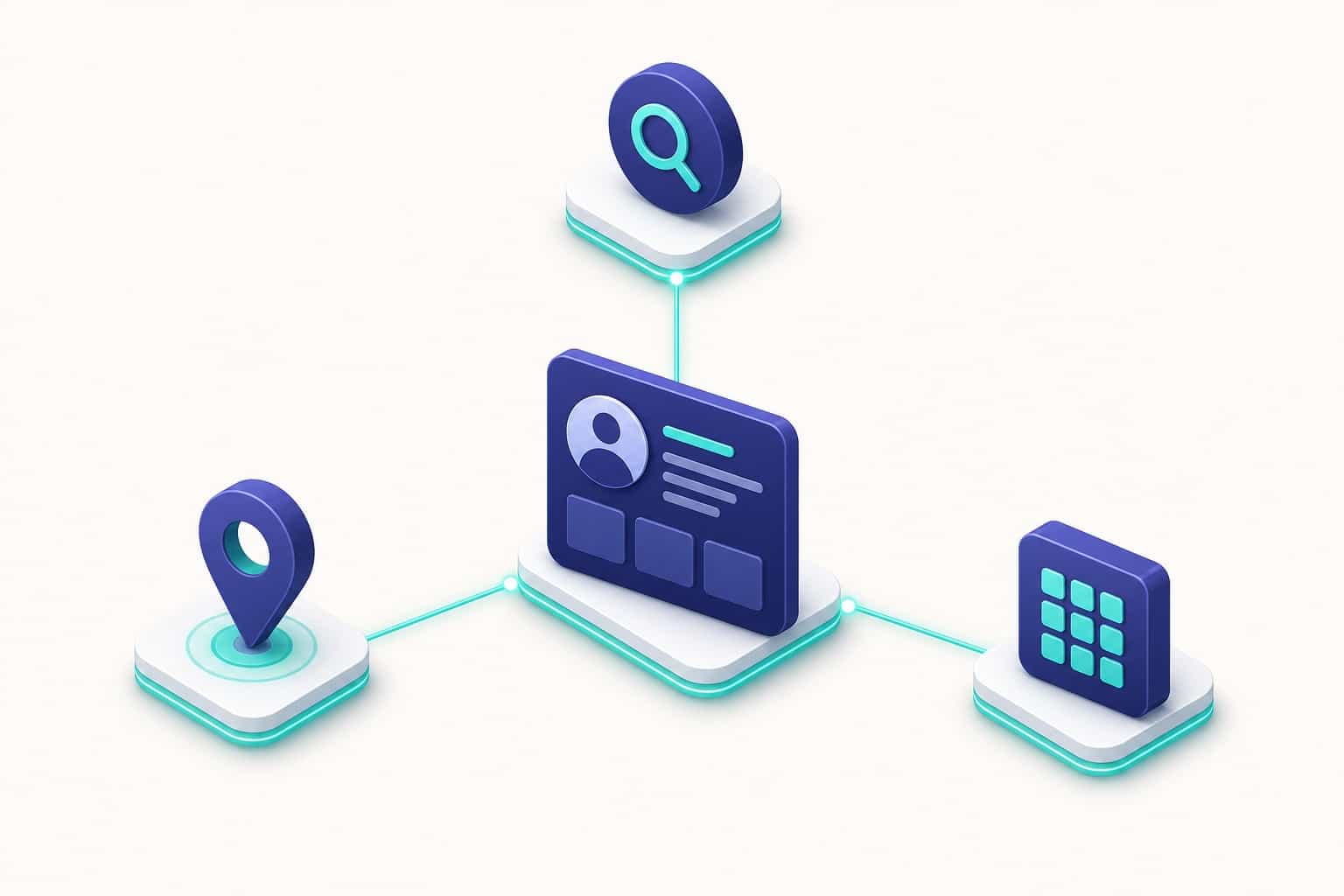
Bios that just describe a vibe ("dreamer, doer, coffee") are great for personality and terrible for discovery. To be findable, your bio needs the actual nouns someone would search to find someone like you: your craft, your niche, your city if relevant.
You don't need to keyword-stuff. One or two natural mentions of what you do beat ten forced ones. The test: would a stranger searching for your kind of creator type these exact words? If yes, they belong in your bio.
Why public visibility matters
Privacy settings shape discoverability in the most direct way possible. A private profile is invisible to search, period. A public one can be indexed, surfaced, and recommended.
That doesn't mean you have to share everything. Public visibility on the profile and selective sharing within it are not the same thing. The profile photo and avatar guide covers one part of that selective choice; the broader privacy decisions belong with your safety setup.
Internal discovery within VISU
Beyond external search, your profile is also subject to discovery inside the platform itself. People exploring categories, browsing locally, or following recommendations can find you if your profile gives the discovery system enough to work with.
A complete profile with a clear bio, the right category context, and consistent activity is the kind that surfaces. A bare profile with three words and no signals doesn't.
Avoiding thin, unindexable profiles
The worst-performing profiles are usually the most empty ones. Three links, a name, no bio, and nothing else. Search systems treat thin content as low confidence and rarely surface it.
Fill in your profile the way you'd want it shown. A bio in your own words, a photo, a complete set of priority links, and your category set deliberately. That's the threshold to actually be indexable.
A discovery checklist
Run through this once when you set up, then once a quarter:
- Profile is public, not private.
- Bio includes the real words someone would search to find you.
- Name matches what you use across platforms.
- Photo or chosen avatar is set.
- Every priority link is filled, ordered, and live.
- Category or niche context is set deliberately.
Hit those and you've removed every avoidable reason your profile wasn't being found.
Frequently asked questions
Does my profile show up on Google?
Public profiles can be indexed when visibility is enabled and the profile is complete.
What keywords should I use?
The terms your audience would actually search to find someone like you. Natural language beats keyword stuffing.
Why is my profile not discoverable?
Check that it is public, not private, and that your bio and name include real, searchable terms.