Designing QR Campaigns That Drive Profile Visits
The call-to-scan, the right destination, and the value that makes someone actually scan your code.
A QR code on its own does nothing. People scan because of what surrounds it: a clear reason, an easy action, and something worth their tap on the other side. Designing a QR campaign that actually drives profile visits is about getting those pieces right, not about the code itself.
This guide covers the design and strategy of a creator QR campaign. It builds on the broader QR code campaigns for creators guide, so start there if you want the full picture first.
A scan starts with a reason
Nobody scans a bare code. They scan when there's a clear, specific reason to. "Scan to see the new collection," "scan to get the setlist," "scan to follow for behind-the-scenes" all work because they promise something concrete.
Vague invitations fail. The more specific and immediate the reason, the higher your scan rate. Decide the reason before you decide anything else, because everything in the campaign serves it.
Crafting the call-to-scan
The call-to-scan is the short line next to the code that turns curiosity into action. Keep it to a few words, lead with a verb, and make the payoff obvious. "Scan to join," "scan for the drop," "scan to see more" all read instantly.
Place it right next to the code so the two are read together. A code with no call-to-scan leaves people guessing, and guessing means not scanning.
Choosing the right destination
Where the scan lands decides whether the visit sticks. For most creator campaigns, your public profile is the strongest destination, because it gives a new visitor context and a clear way to follow rather than a single dead-end page.
Match the destination to the promise. If the call-to-scan said "see the new collection," the landing should show exactly that, fast. A mismatch between promise and destination is the quickest way to lose a scan you already earned.
Visual integration and branding
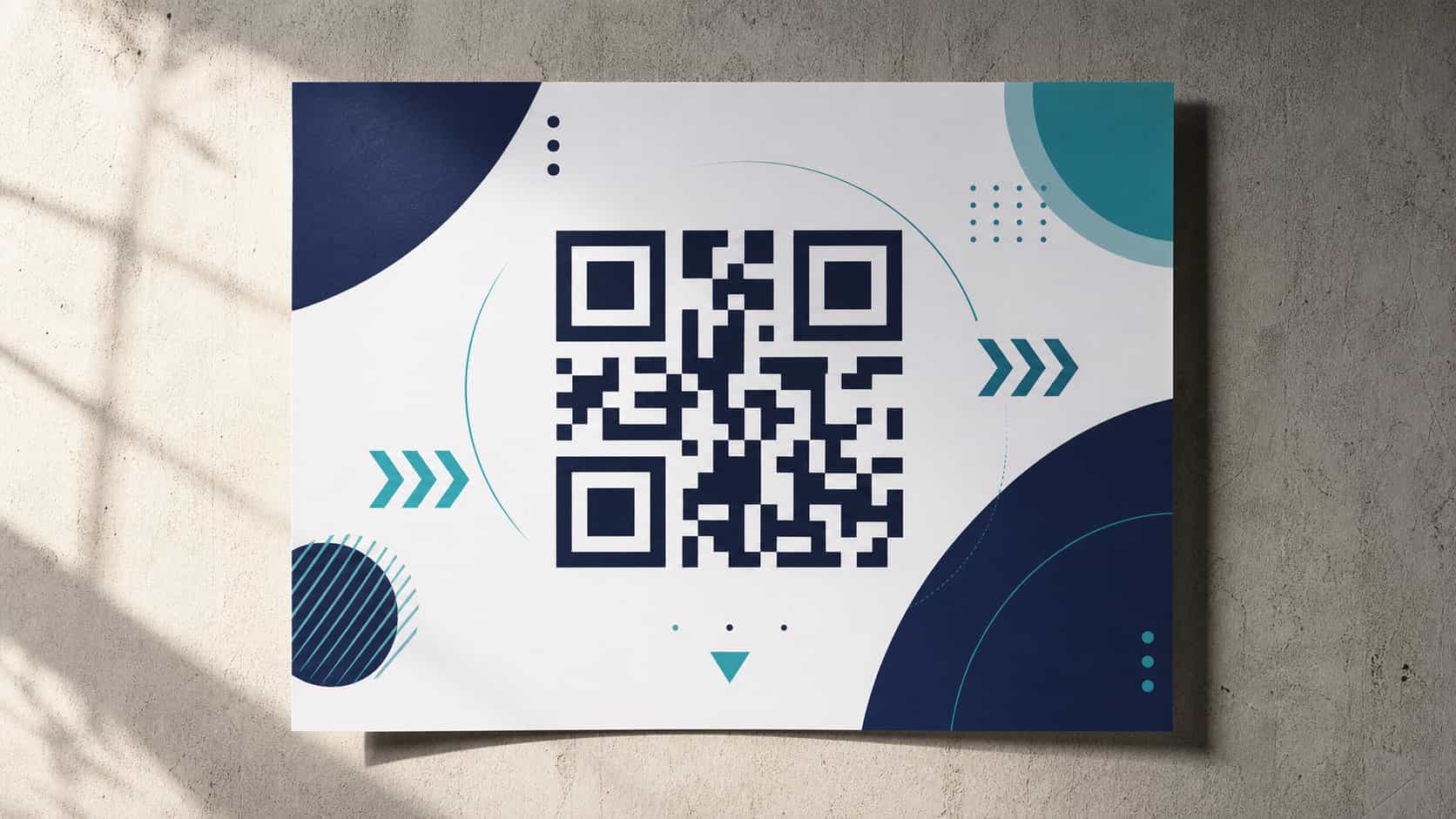
The code and its surroundings should look like they belong to you. Integrate it into your poster, screen, or merch design rather than pasting it on as an afterthought. A code that fits your visual identity feels trustworthy, and trust raises scan rates.
Keep the code itself reliable: enough size, enough contrast, enough clear space. Style the area around it freely, but never style the code past the point where it stops scanning.
Adding value after the scan
A scan is a small act of trust, and the destination has to repay it immediately. The page people land on should deliver on the call-to-scan within the first screen, with no hunting. When the payoff is instant and real, that visitor is far more likely to follow and come back.
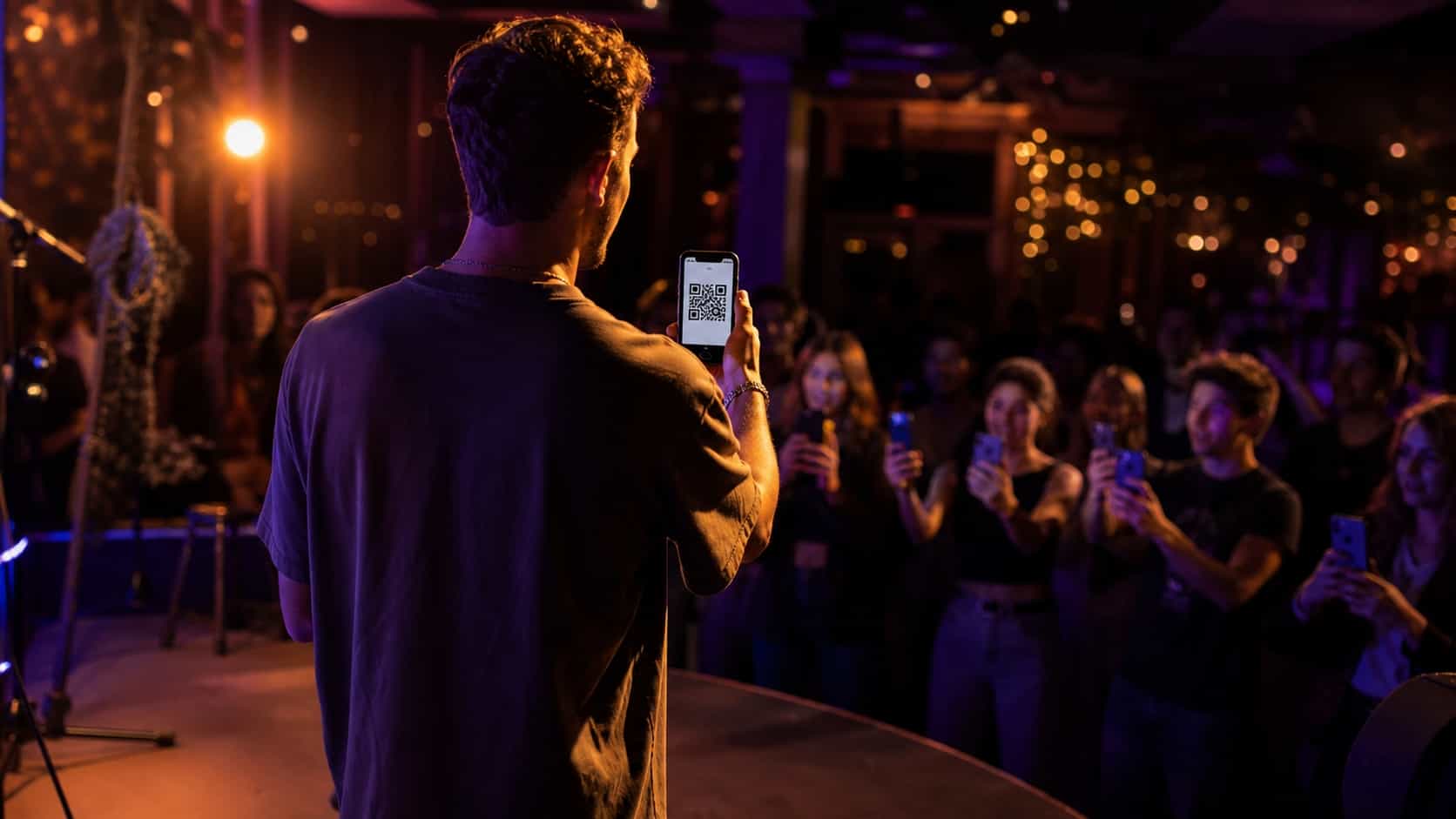
Think about what makes the visit worth it: exclusive first looks, the thing you just promised on stage, a clear next step. Genuine value after the scan is what turns a one-time tap into a lasting connection. For the broader tactics around keeping that audience engaged, see audience engagement strategies for public profiles.
A/B testing your campaign creative
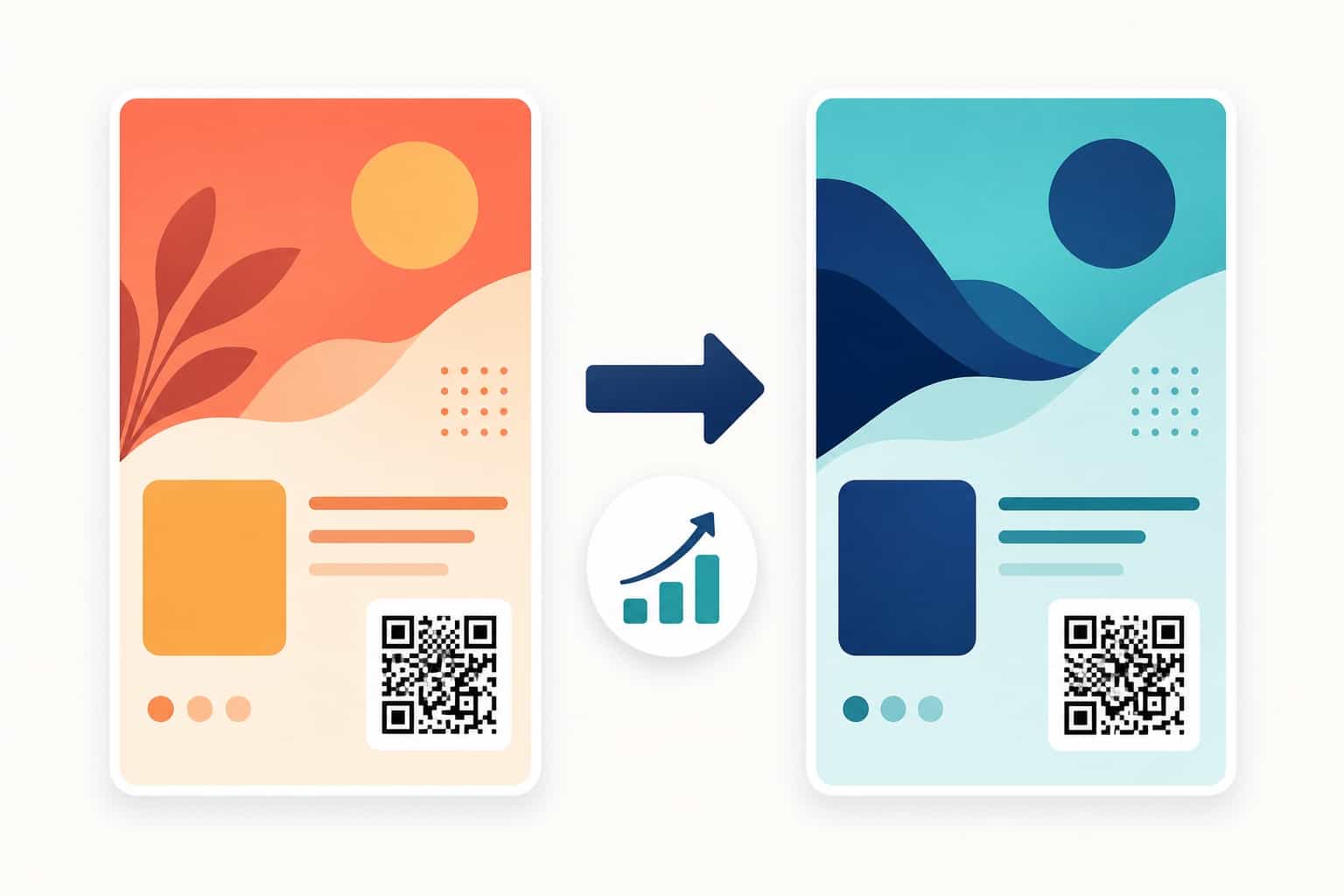
You rarely guess the best version on the first try. When you can, run two creatives, a different call-to-scan or a different placement, and compare which earns more scans and visits.
Change one thing at a time so you know what made the difference. Small wording or placement changes often move scan rates more than you'd expect. Let the results, not your assumptions, pick the winner. To read those results, lean on your creator analytics.
Campaign design template
Use this as a quick blueprint for any QR campaign:
- Reason: the specific, concrete promise that makes scanning worth it.
- Call-to-scan: a short, verb-led line right beside the code.
- Destination: your profile or a page that delivers the promise instantly.
- Branding: the code integrated into your design, still fully scannable.
- Payoff: real value on the first screen after the scan.
- Measurement: distinct codes or destinations so you can compare.
Run that template every time and your codes stop being decoration and start being a reliable source of profile visits.
Frequently asked questions
What makes someone scan a code?
A clear, specific reason and an easy next step. Vague invitations get ignored.
Where should the scan land?
On the destination that delivers the promise, usually your profile, with the payoff visible on the first screen.
How do I know which placement works?
Use distinct codes or destinations per placement and compare the scans and visits each one drives.